
Is Waterfront Property Worth It? What Buyers Should Consider
Is Waterfront Property Worth It? What Buyers Should Consider
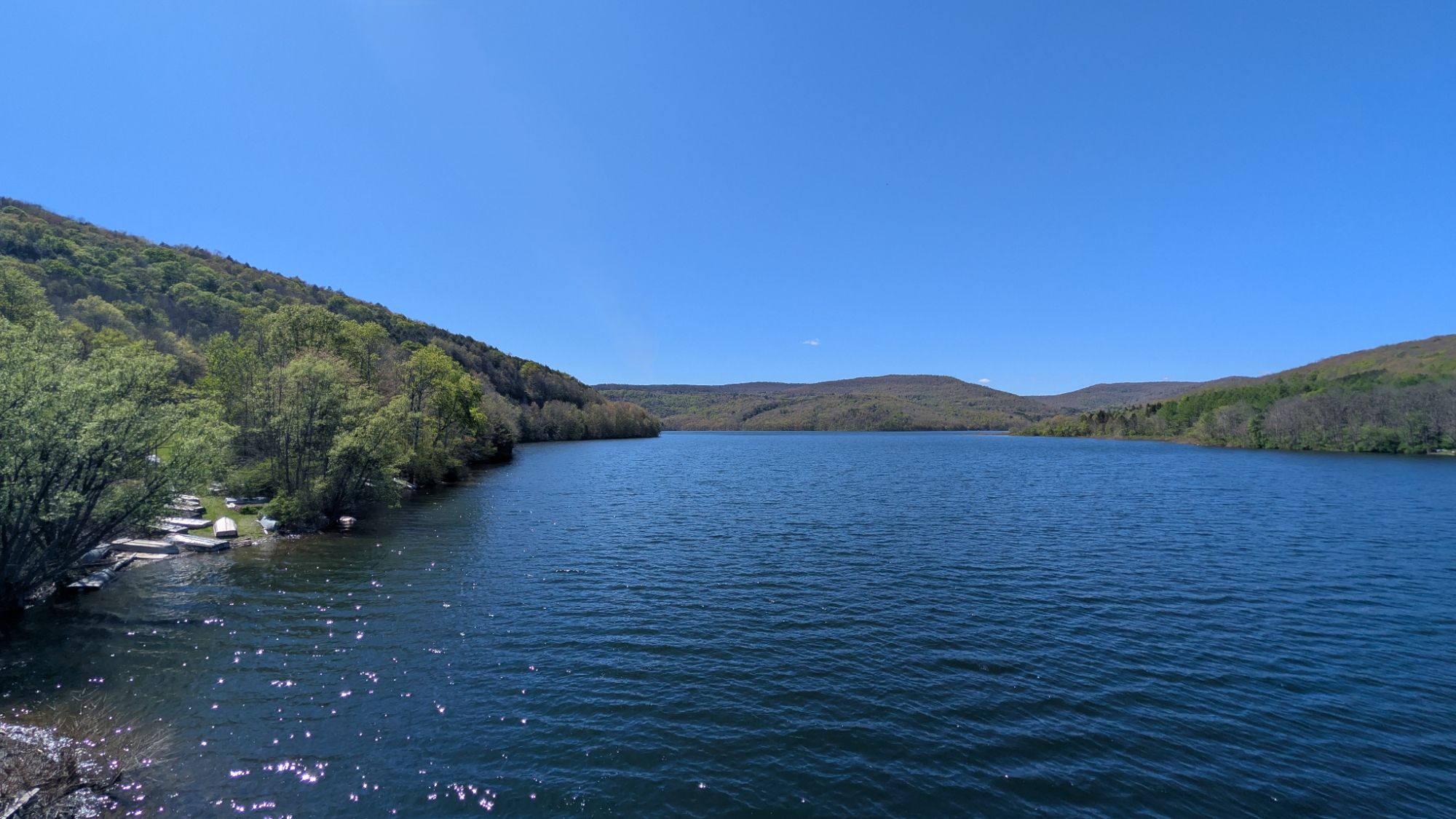
Imagine waking up to the gentle sound of water, enjoying your morning coffee beside a peaceful lake, or spending summer afternoons fishing, kayaking, and relaxing along your own stretch of shoreline. For many buyers, waterfront property represents more than just a place to live. It offers a lifestyle centered around nature, recreation, privacy, and the simple pleasure of being near the water.
Across Upstate New York, waterfront homes and land parcels can be especially appealing. From quiet lakes and winding rivers to secluded ponds and scenic streams, the region offers a variety of opportunities for buyers dreaming of a waterfront retreat, a year-round home, or a seasonal getaway.
But is waterfront property really worth the investment?
The answer depends on your goals, budget, and expectations. While owning property near the water can offer unique benefits, it also comes with considerations that may not be immediately obvious during a property tour.
Before you fall in love with that beautiful shoreline, here are the key things every buyer should understand.
1. Understand the Lifestyle You're Buying Into
One of the biggest advantages of waterfront property is the lifestyle it can provide. Depending on the location and type of water, you may enjoy swimming, boating, fishing, kayaking, wildlife watching, or simply relaxing beside the shore.
For some buyers, the appeal is having a vacation home where family and friends can gather during the warmer months. Others may want a permanent residence where the scenery and peaceful surroundings become part of everyday life.
However, not all waterfront properties offer the same experience.
A home on a large lake may provide boating opportunities and access to recreational activities, while a property beside a small creek may offer a quieter, more secluded setting. Some shorelines are ideal for swimming, while others may be steep, rocky, marshy, or unsuitable for direct water access.
What buyers should consider:
-
What activities do you want to enjoy on the water?
-
Is the shoreline accessible and usable?
-
Will the property suit your needs throughout the year or primarily during summer?
-
How much privacy will you have during busy recreational seasons?
The right waterfront property should match your lifestyle, not just your idea of a beautiful view.
2. Look Beyond the Purchase Price
Waterfront homes and land can sometimes command a premium compared with similar properties farther from the water. Buyers may be paying for the location, views, shoreline access, recreational opportunities, and relative scarcity of waterfront parcels.
But the purchase price is only part of the financial picture.
Maintaining a waterfront property can involve additional expenses that may not apply to a typical inland home. Shoreline erosion, drainage concerns, specialized landscaping, dock maintenance, and water-related repairs can all affect your long-term budget.
Insurance costs may also be higher depending on the property's flood exposure, location, construction, and coverage requirements.
Before making an offer, consider the full cost of ownership, including:
-
Property taxes and homeowners insurance.
-
Flood insurance, if needed or required by your lender.
-
Dock, boat lift, and shoreline maintenance.
-
Septic system inspections, pumping, and repairs.
-
Tree maintenance, drainage improvements, and erosion control.
-
Seasonal opening, winterization, and road access for vacation properties.
A property that fits your purchase budget may not necessarily fit your long-term maintenance budget. Ask for estimates, review available records, and investigate potential expenses before committing.
3. Know the Risks of Flooding and Shoreline Erosion
A waterfront property's greatest attraction can also be one of its biggest responsibilities: its proximity to water.
Water levels change, heavy rainfall can cause flooding, and moving water can gradually wear away shorelines. Even properties that look perfectly safe during a sunny showing may face different conditions during spring snowmelt or periods of prolonged rain.
In Upstate New York, buyers should pay particular attention to seasonal changes, including spring runoff, fluctuating lake levels, and winter freeze-thaw cycles.
Before purchasing, investigate:
-
Flood risk: Review FEMA flood maps and ask whether the property or its structures have experienced flooding.
-
Shoreline stability: Look for exposed roots, collapsing banks, washed-out soil, or signs of previous erosion.
-
Drainage: Determine where rainwater and snowmelt flow across the property.
-
Past water damage: Ask the seller about previous flooding, repairs, and insurance claims where available.
-
Protective measures: Find out whether existing retaining walls, drainage systems, or shoreline improvements are permitted and properly maintained.
FEMA's flood maps are a useful starting point, but they do not guarantee that a property outside a mapped high-risk area will never flood. Consider an appropriate professional assessment if the property's location or condition raises concerns.
4. Understand Waterfront Rights, Permits, and Restrictions
This is one of the most important considerations when buying waterfront property—and one that buyers should never overlook.
Owning land beside a lake, river, or stream does not automatically mean you can use the water or shoreline however you wish.
Depending on the property, you may need to understand riparian rights, deed restrictions, easements, public access, and rules governing docks, boathouses, swimming areas, or shoreline improvements.
In New York, certain projects near protected streams, wetlands, lakes, or other regulated waters may require permits or approvals from state or local authorities. Some properties may also be subject to conservation restrictions or homeowners' association rules.
Before assuming you can build a dock, clear trees, expand a beach area, or construct a waterfront addition, verify what is legally permitted.
Here are a few important questions to ask:
-
Does the property include the shoreline, or is the water's edge subject to a separate ownership or access arrangement?
-
Are there recorded easements or rights allowing others to cross or use part of the property?
-
Are docks, boat launches, or other waterfront structures permitted?
-
Are there restrictions on tree removal, vegetation clearing, or shoreline modifications?
-
Are there public access points or shared recreational areas nearby?
A real estate attorney, surveyor, and the appropriate permitting authorities can help clarify these details before closing.
Never assume that a beautiful stretch of shoreline automatically comes with unrestricted waterfront rights. Verify the details for the specific property.
5. Check the Water Quality and Septic System
A waterfront property can look pristine from the shore, but the condition of the water and the property's wastewater system deserves just as much attention as the view.
Water quality can affect swimming, fishing, boating, and the overall enjoyment of the property. Depending on the waterbody, buyers may want to investigate historical water-quality reports, seasonal algae concerns, and any advisories issued by relevant authorities.
For properties with private wells, arrange appropriate drinking-water testing. If the home uses a septic system, have it professionally inspected and review available maintenance records.
Septic systems deserve particular attention near the water because their location, condition, and operation can affect both property usability and environmental quality.
Ask whether:
-
The septic system has been inspected and is functioning properly.
-
The system complies with applicable requirements and has sufficient capacity for the home's intended use.
-
The well, septic system, and any reserve septic area are properly located on the parcel.
-
The property has adequate space for future repairs or replacement if necessary.
-
The lake, river, or stream has any known water-quality concerns.
For vacant waterfront land, confirm that the parcel can accommodate a suitable wastewater system before planning a new home. Not every attractive waterfront lot is necessarily buildable.
6. Think About Year-Round Access and Seasonal Maintenance
A quiet waterfront retreat may feel like paradise in July, but what will it be like in January?
Some Upstate New York waterfront properties are designed for year-round living, while others are seasonal cottages with limited winter access, older insulation, or plumbing that requires winterization.
If you plan to use the property throughout the year, look beyond its summer appeal.
Consider the condition of the access road, who maintains it, how snow removal is handled, and whether emergency vehicles can reach the property. Check the home's heating system, insulation, roof, plumbing, and overall winter readiness.
If the property is a seasonal getaway, determine what it takes to secure it before winter and reopen it in spring.
For undeveloped waterfront land, also investigate whether the road access is legally established and physically suitable for construction equipment and future residential use.
A little planning now can prevent unpleasant surprises when the seasons change.
7. Consider Long-Term Value and Resale Potential
Waterfront properties can be appealing to future buyers because desirable waterfront locations are often limited. A well-maintained property with usable shoreline, attractive views, convenient access, and documented property rights may have lasting appeal.
However, waterfront property is not automatically a better investment than non-waterfront property.
Its future value depends on several factors, including local demand, the condition of the home, the quality of the shoreline, accessibility, insurance costs, environmental risks, and applicable restrictions.
A remote waterfront cabin with limited road access and substantial maintenance needs may attract a very different pool of buyers than a year-round home on a popular recreational lake.
Before purchasing, compare recent sales of similar waterfront properties in the same area, rather than relying solely on the asking prices of competing listings.
Think about your intended holding period, too. If you plan to enjoy the property for decades, lifestyle benefits may be a major part of its value to you. If you expect to resell within a few years, transaction costs and market conditions become especially important.
If you're considering renting the property when you're not using it, verify local short-term rental rules, applicable permits, insurance requirements, and any deed or association restrictions before counting rental income toward your investment calculations.
8. Don't Forget the Hidden Advantages of Waterfront Land
Waterfront ownership isn't limited to traditional lake houses or expensive riverfront estates.
Depending on your goals, a smaller parcel beside a quiet stream, a wooded property overlooking a pond, or a rural lot near a recreational lake might provide the natural setting you're looking for without the cost of a large waterfront home.
For buyers exploring land in Upstate New York, it can be helpful to distinguish between direct waterfront access and simply being near the water.
A parcel with direct shoreline frontage may offer a different experience, set of rights, maintenance obligations, and price than a nearby property with lake views or access to a shared waterfront area.
If you're considering vacant land, investigate buildability, utilities, road frontage, zoning, setbacks, wetlands, and septic feasibility. These factors can be just as important as the water itself.
Sometimes, the best property isn't the one with the largest shoreline. It's the one that offers the right balance of natural beauty, usability, privacy, and affordability.
So, Is Waterfront Property Worth It?
For the right buyer, absolutely.
Waterfront property can offer an exceptional lifestyle, memorable family experiences, and a beautiful connection to the outdoors. Whether you dream of a year-round lakefront home, a quiet fishing cabin, or a scenic parcel where you can eventually build, the possibilities can be exciting.
But the best purchase is one made with clear expectations and a thorough understanding of what ownership involves.
Find Your Own Piece of Upstate New York
There is something special about finding a property where you can slow down, enjoy nature, and create lasting memories. For some buyers, that means a home overlooking a quiet lake. For others, it might be a secluded cabin near a stream or a wooded parcel with the potential to build a future retreat.
Whatever your vision looks like, taking the time to understand a property's benefits, limitations, and long-term costs can help you make a more confident decision.
At The Land & Living Team, we understand that finding the right property is about more than the land or the house itself. It's about finding a place that fits your goals and the way you want to live.
If you're exploring waterfront homes, recreational properties, or land in Upstate New York, we're here to help you navigate your options and take the next step toward finding your place in the country.
Recent Posts