
From Garden to Table: Embracing a More Self-Sufficient Lifestyle
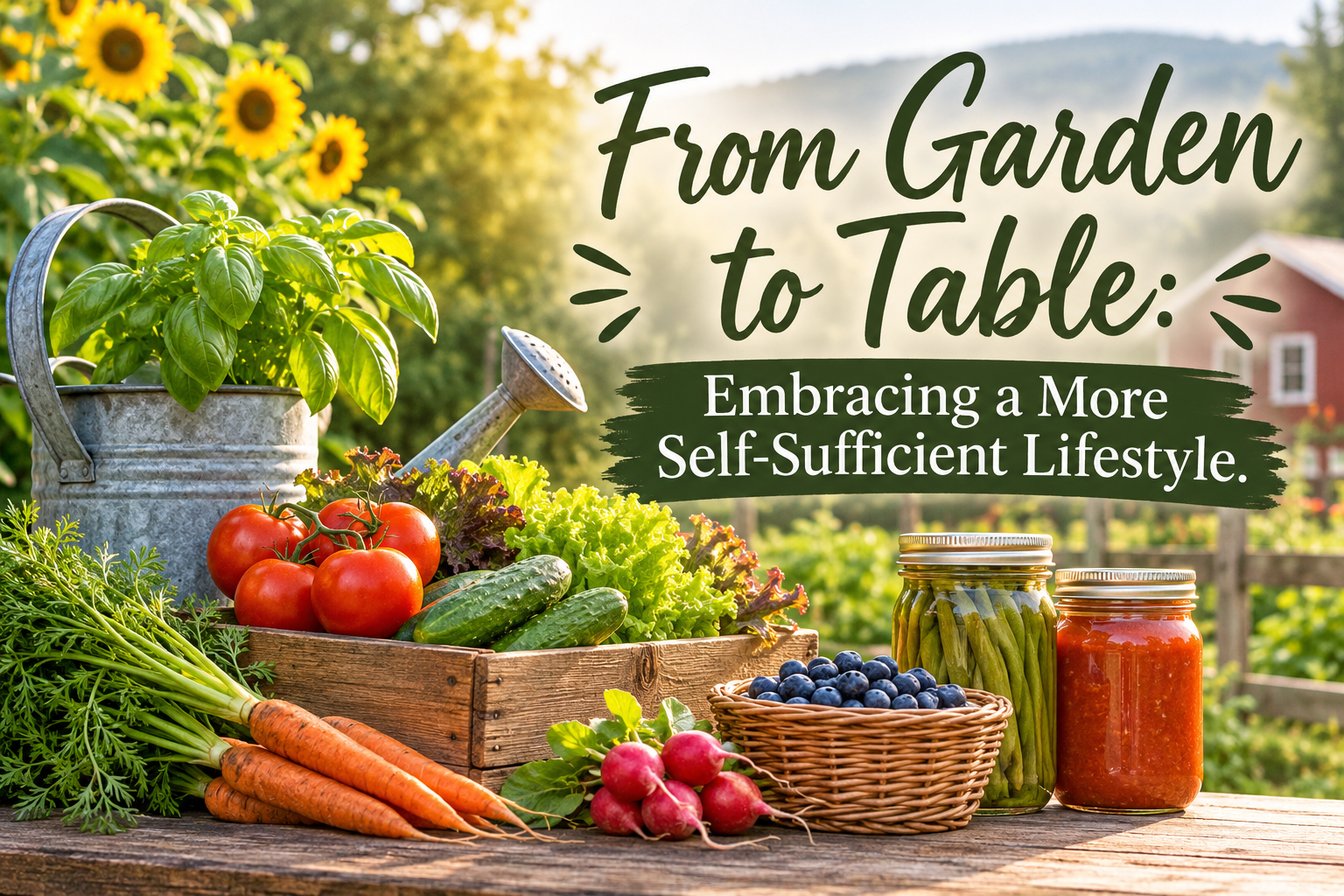
There’s something special about enjoying a meal made with ingredients you’ve grown yourself. From picking fresh tomatoes in the backyard to gathering herbs for dinner or preserving homegrown vegetables for the colder months, growing your own food brings a sense of satisfaction that goes beyond what’s on the plate. It’s about reconnecting with nature, making thoughtful choices, and discovering the rewards of a more self-sufficient lifestyle.
For many homeowners, the dream of self-sufficiency doesn't necessarily mean living completely off the grid. Sometimes, it starts with something as simple as a small vegetable garden, a few fruit trees, or a collection of herbs growing just outside the kitchen door.
Whether you have acres of open land or a modest backyard, there are plenty of ways to bring the garden-to-table lifestyle into your everyday routine.
1. Start Small and Grow What You Love
One of the best ways to begin growing your own food is to start with a manageable garden. You don't need a large property or extensive gardening experience to get started.
Consider planting vegetables and herbs that your household regularly enjoys. Tomatoes, lettuce, cucumbers, peppers, basil, parsley, and green onions are popular choices that can thrive in a home garden with proper care.
If space is limited, raised garden beds, containers, and vertical planters are excellent alternatives. They allow you to maximize available space while keeping your garden organized and accessible.
A helpful tip: Start with just a few plants during your first growing season. As you become more comfortable with planting, watering, harvesting, and managing pests, you can gradually expand your garden.
2. Make the Most of Your Property
A self-sufficient lifestyle looks different for every homeowner, and your property can play an important role in shaping your possibilities.
A sunny backyard might be perfect for vegetable beds, while a larger rural property could provide room for fruit trees, berry patches, greenhouses, or even a small orchard.
Here are a few ways to make better use of your outdoor space:
-
Vegetable gardens: Grow seasonal produce such as tomatoes, squash, beans, carrots, and leafy greens.
-
Herb gardens: Keep fresh basil, rosemary, thyme, mint, and other herbs close to your kitchen.
-
Fruit trees and berry bushes: Enjoy homegrown apples, pears, blueberries, raspberries, and strawberries.
-
Composting areas: Turn kitchen scraps and yard waste into nutrient-rich compost for your garden.
-
Rainwater collection: Collect rainwater where permitted and use it to help water your plants.
Even a small outdoor space can become productive with a little creativity and planning.
3. Learn to Preserve Your Harvest
Growing your own food is rewarding, but knowing how to preserve it makes the experience even more valuable.
During peak growing season, gardens can produce more vegetables and fruits than a household can reasonably consume. Instead of letting that extra produce go to waste, consider preserving it for later use.
Some practical ways to preserve your harvest include:
-
Freezing: Preserve berries, chopped vegetables, herbs, and prepared ingredients for future meals.
-
Canning: Make homemade tomato sauce, jams, pickles, and preserved vegetables using tested, food-safe recipes.
-
Dehydrating: Dry herbs, fruits, and certain vegetables for longer storage.
-
Pickling: Turn cucumbers, onions, peppers, and other vegetables into flavorful additions to your meals.
Food preservation allows you to enjoy the results of your garden long after the growing season has ended. Just remember that proper food safety practices are essential, especially when canning and storing homemade foods.
4. Reduce Waste Through Composting
A productive garden doesn't just provide fresh food. It can also help reduce household waste.
Composting is a simple and environmentally friendly way to recycle certain kitchen scraps and yard materials. Fruit and vegetable scraps, coffee grounds, eggshells, dry leaves, and grass clippings can become valuable organic matter for your garden.
Instead of sending these materials to the landfill, composting allows them to break down naturally and return nutrients to the soil.
Finished compost can improve soil structure, support beneficial organisms, and help your garden retain moisture.
It's a small habit that creates a meaningful connection between what you consume, what you discard, and what you grow.
5. Bring Fresh Ingredients Into Your Everyday Cooking
One of the greatest joys of a garden-to-table lifestyle is having fresh ingredients right outside your door.
Imagine preparing a summer salad with homegrown lettuce, tomatoes, and cucumbers, adding freshly picked basil to homemade pasta, or enjoying blueberry muffins made with berries harvested from your own backyard.
Growing your own food can also encourage healthier eating habits. When fresh produce is readily available, it's often easier to incorporate vegetables and fruits into everyday meals.
It also gives families an opportunity to become more involved in food preparation. Children can help plant seeds, water vegetables, harvest produce, and learn where their food comes from.
These simple activities can turn gardening into a meaningful family experience.
6. Consider Going Beyond the Vegetable Garden
Once you've established a garden, you might discover that self-sufficiency opens the door to other rewarding projects.
Depending on your property's size, local regulations, and personal interests, you could explore:
-
Small backyard greenhouses: Extend your growing season and protect delicate plants.
-
Berry patches and orchards: Establish a longer-term source of fresh fruit.
-
Beekeeping: Support pollination and potentially enjoy your own honey, where permitted and properly managed.
-
Rain gardens: Help manage stormwater while creating an attractive outdoor space.
-
Small-scale poultry keeping: Consider raising chickens for fresh eggs if local zoning and property conditions allow.
You don't have to take on everything at once. The beauty of this lifestyle is that you can build it gradually, learning new skills as your needs and interests evolve.
7. Find the Right Property for Your Lifestyle
For those considering a move, the desire for a more self-sufficient lifestyle can be an important part of choosing the right home.
Perhaps you're dreaming of a house with enough backyard space for raised garden beds. Maybe you envision a few acres where you can establish an orchard, build a greenhouse, or create a small homestead.
When exploring properties, consider factors such as:
-
Sunlight exposure: Does the property have areas that receive enough sunlight for growing vegetables and fruit?
-
Soil quality: Is the soil suitable for gardening, or will it need testing and improvement?
-
Water access: Is there a reliable water source for irrigation?
-
Available space: Is there room for gardens, storage sheds, composting, or other outdoor projects?
-
Local regulations: Are there zoning restrictions or requirements for livestock, outbuildings, wells, or other homesteading activities?
In Upstate New York, rural properties, country homes, and parcels of land can offer exciting opportunities for people interested in growing their own food and enjoying a closer connection to the outdoors.
However, every property is different. Understanding the land, its features, and its limitations is an important part of finding a place that supports your goals.
A More Rewarding Way to Live, One Harvest at a Time
Embracing a garden-to-table lifestyle isn't about becoming completely self-sufficient overnight. It's about making small, intentional changes that bring you closer to the food you eat, the land you live on, and the natural world around you.
It might begin with a few herbs on the windowsill, grow into a backyard vegetable garden, and eventually become a property filled with fruit trees, raised beds, and seasonal harvests.
Along the way, you'll develop useful skills, reduce waste, appreciate seasonal foods, and create meaningful memories with the people around you.
Because sometimes, the most rewarding part of owning a home isn't just having a place to live. It's having the space to grow something, nurture it, and enjoy the results.
And there's nothing quite like bringing a little piece of your own backyard to the dinner table.
Recent Posts